Are haircare products containing alcohol bad for your hair and scalp?
It depends on the alcohol! There are many different types of alcohol. While some are certainly harsh and drying (such as rubbing alcohol, used in disinfectants), others are actually moisturising, emollient and protective. The ‘good’ types of alcohols are called fatty alcohols, and are used extensively in cosmetics as thickeners and emollients. Examples include cetyl alcohol and stearyl alcohol. So, an ‘alcohol free’ product is not necessarily better than one containing alcohol – it may even be worse.
Do hair products cause build-up on your hair?
Yes! Over time, products (as well as hard water minerals and indoor and outdoor pollution) build up to leave residue on the hair, causing dullness, limpness and heaviness. To combat and cleanse away product build-up and the everyday aggressors and impurities our hair is exposed to, we recommend using a clairfying shampoo like our Flaky/Itchy Scalp Shampoo This game-changing shampoo deeply cleanses the scalp using the power of Lauryl Betaine which cleanses without redness or irritation; and anti-microbial Piroctone Olamine, helps relieve flaking and itching.
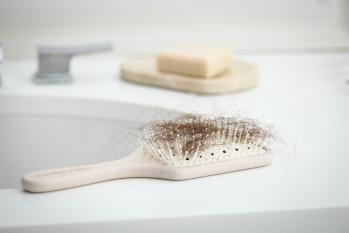
In this blog, our trichologists at Philip Kingsley explain how illnesses like flu can trigger telogen effluvium, why shedding typically appears weeks after recovery, and what you can do to support healthy regrowth—through targeted scalp care, nutrition, and gentle hair practices.
Understanding each stage can help solve common hair dilemmas and really support healthier hair.
Your hair doesn’t just grow randomly - it follows a precise cycle and understanding these can be the key to managing hair health, density and growth. From natural shedding to slower growth with age, every stage of the hair growth cycle plays a role in how your hair looks and feels. Let’s dive a little deeper.